Compare Local Contractors for Fallen Branch Removal Services
Compare local contractors for fallen branch removal to define project scope, verify experience, and set clear expectations in writing for a successful job.
Fallen branch removal is a service that typically involves the safe and efficient clearing of broken or fallen tree limbs from residential or commercial properties. This work can include removing large branches that have snapped off due to storms, trimming overhanging limbs that pose a risk, or clearing debris after severe weather events. The scope of this work often varies depending on the size and number of branches, the accessibility of the affected areas, and the presence of nearby structures or landscaping that require careful navigation. Understanding what the task entails helps property owners communicate their needs clearly and ensures that service providers can deliver the appropriate level of support.
Defining the scope of fallen branch removal is crucial for setting clear expectations and avoiding misunderstandings. Property owners should specify the extent of the work, such as whether only certain branches need removal or if entire trees require attention. Clarifying details like access points, safety considerations, and any specific concerns about nearby structures or utilities can help contractors assess the job more accurately. Documenting these details in writing creates a record that both parties can refer to, reducing the likelihood of surprises and ensuring that the work aligns with the property owner’s priorities.
When comparing local contractors for fallen branch removal, it’s important to consider their experience with similar jobs and their ability to handle the specific scope of work. Property owners can review credentials such as references, previous project descriptions, or customer feedback to gauge reliability and skill. Asking service providers about their process for assessing the job, their approach to safety, and how they communicate project details can also be helpful. Comparing these factors allows property owners to identify service providers who are well-equipped to meet their needs and to establish clear expectations before work begins.
Compare local contractors by outlining your priorities, verifying experience, and clearly defining project expectations in writing.
- Verify Experience - Ensure contractors have relevant experience in fallen branch removal to handle the job safely and effectively.
- Compare Service Providers - Review multiple local contractors to find those with suitable expertise and reputation.
- Define Scope Clearly - Communicate specific needs and expectations to establish a comprehensive work plan.
- Get Written Agreements - Confirm details, scope, and responsibilities in writing to avoid misunderstandings.
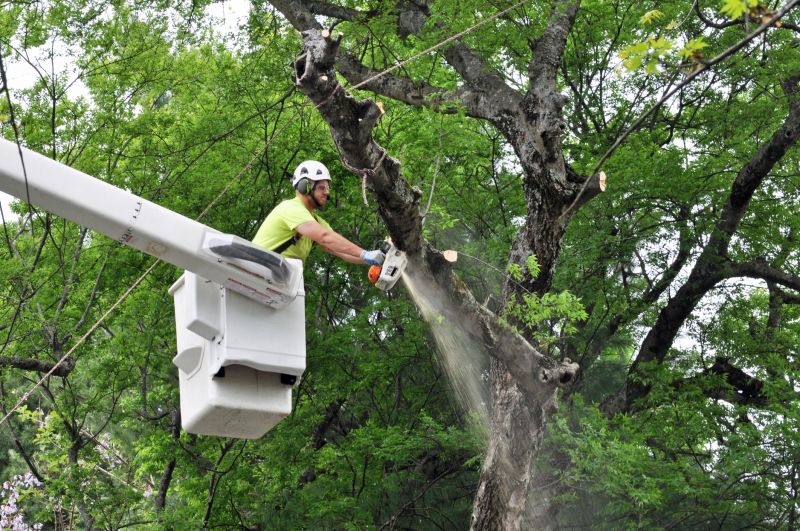
Clearly describe the fallen branch removal project to compare contractor options, define scope, verify experience, and set expectations in writing.
- Verify the contractor’s experience with tree and branch removal projects to ensure competence. - Look for service providers who clearly outline the scope of work and removal process in writing.
- Compare multiple local contractors to assess their expertise and service offerings for fallen branch removal. - Ensure that the scope of work and responsibilities are clearly defined before hiring.
- Check for reviews or references that highlight previous experience with similar fallen branch removal jobs. - Confirm that the contractor has a history of safely and effectively handling branch removal tasks.
- Ensure the scope of work specifies cleanup procedures and debris removal to avoid misunderstandings. - Clarify what is included in the service to meet expectations and prevent additional charges.
- Discuss any access or safety considerations that may impact the removal process with the contractor upfront. - Make sure the scope addresses site-specific concerns and safety protocols in writing.
- Request a detailed written agreement that outlines the scope, responsibilities, and expectations for the fallen branch removal. - Use the agreement to compare services and ensure all necessary work is clearly documented.
Compare local contractors, clarify scope, verify experience, and set clear expectations in writing.
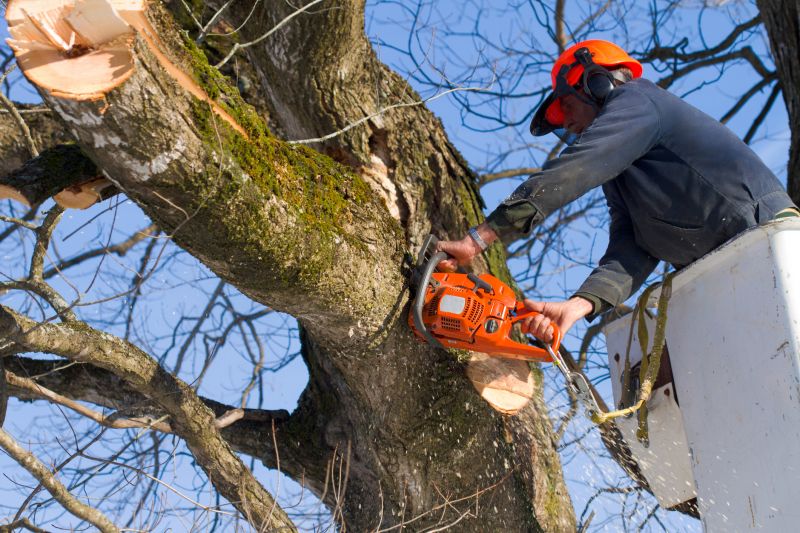
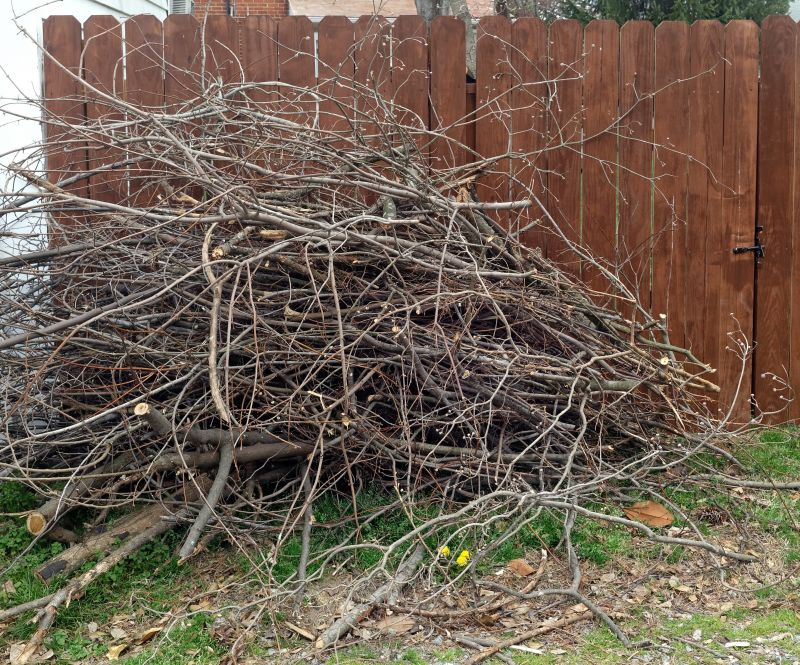
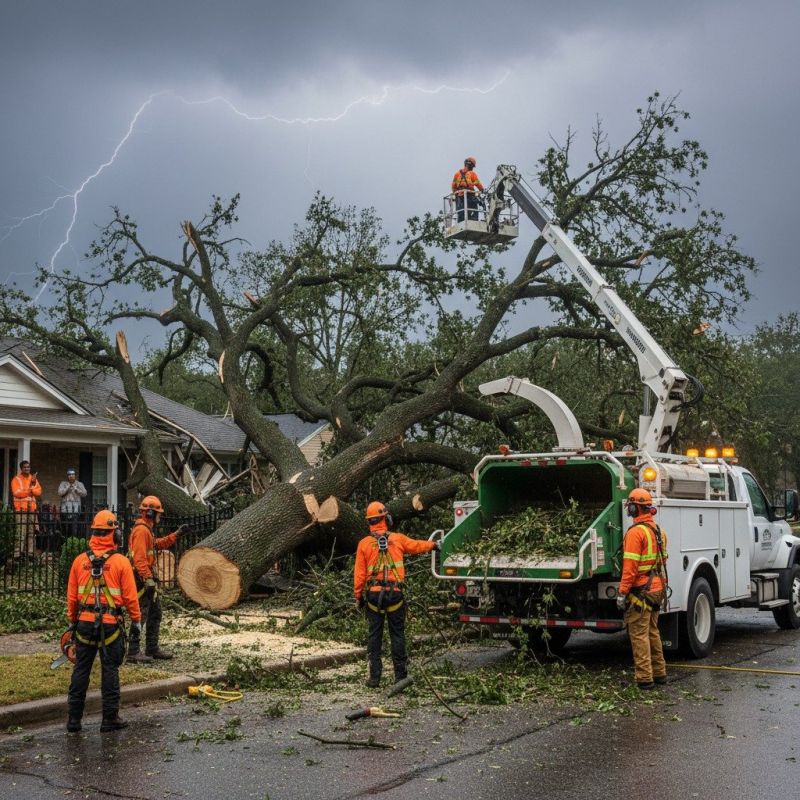
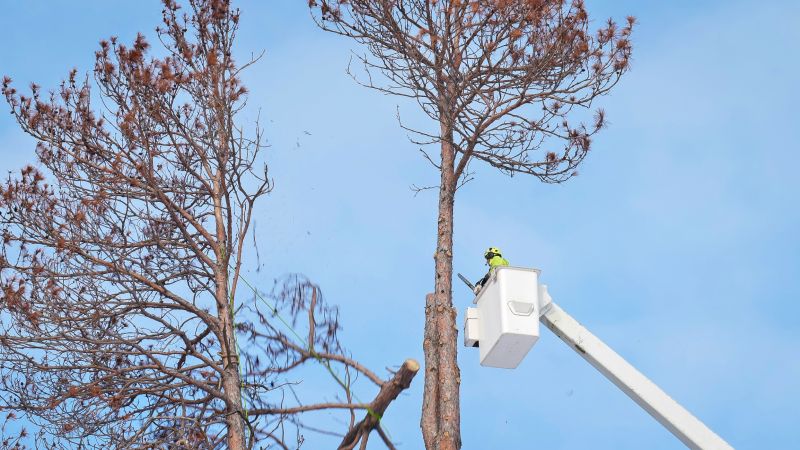
Use consistent scope definitions and verify experience to effectively compare local contractors for fallen branch removal.
- Scope Definition - Clearly specify the extent of fallen branch removal services needed, including size, location, and number of branches.
- Experience Verification - Confirm that service providers have relevant experience handling branch removal and related tree care tasks.
- Equipment and Methods - Identify the tools and techniques contractors plan to use to ensure they are appropriate and safe for the job.
- Work Expectations - Outline the process, including cleanup procedures and disposal of removed branches, to set clear expectations.
- Written Agreement - Ensure all scope details, responsibilities, and expectations are documented in a written agreement before work begins.
When comparing contractors for fallen branch removal, it’s important to consider their experience with similar projects. Service providers who have handled a variety of tree-related tasks, including large or difficult-to-reach branches, are more likely to understand the nuances of safely and effectively removing fallen limbs. Asking about their previous work on projects comparable in scope and complexity can provide insight into their familiarity with the challenges involved and their ability to deliver quality results.
A clear, written scope of work is essential when evaluating contractors. This document should outline specific tasks to be completed, including the size and location of the branches, safety measures, and cleanup procedures. A detailed scope helps ensure that both parties have aligned expectations and reduces the chances of misunderstandings. When reviewing proposals or estimates, look for contractors who provide comprehensive descriptions of the work to be performed, rather than vague or generic statements.
Verification basics are key to assessing the reliability of service providers. While licensing and certification are not always required, it’s beneficial to verify that contractors have appropriate insurance coverage and a history of completing similar projects successfully. Request references or testimonials from previous clients to gain insight into their work ethic and professionalism. Confirming that a contractor has a track record of handling fallen branch removal safely and efficiently is an important step in the decision-making process.
Evaluating options without focusing on prices involves examining how well contractors communicate and the quality of their proposals. Pay attention to the clarity of their written scope, the level of detail they provide, and their responsiveness to questions. Consider how thoroughly they explain their approach and whether they demonstrate an understanding of the specific challenges posed by fallen branch removal. By focusing on experience, scope, verification, and communication, homeowners can make informed comparisons and select service providers best suited to handle their needs.
Ask contractors to provide written scope details to ensure clear understanding and consistent expectations.
- Experience Verification - How can homeowners verify the experience and expertise of local contractors for fallen branch removal?
- Scope Definition - What questions should be asked to clarify the specific scope of work included in each contractor’s service proposal?
- Comparison Criteria - What key factors should be used to compare different service providers beyond pricing?
- Work Process Clarification - How can homeowners ensure the work process and methods are clearly outlined in the scope of work?
- Written Expectations - Why is it important to have detailed scope and expectations documented in writing before work begins?
How can I compare contractors for fallen branch removal? To compare local contractors, review their experience, verify references, and check how they define the scope of work in writing to ensure clarity and consistency.
What should I consider when defining the scope of fallen branch removal? Clearly outline the size, number, and location of branches to be removed, and confirm that the scope is documented in writing before work begins.
How can I verify a contractor’s experience with fallen branch removal? Ask for details about their past projects, request references, and look for any relevant work history to assess their familiarity with similar jobs.
Why is it important to have written agreements with contractors? Written agreements help set clear expectations, define the scope of work, and provide a record of what has been agreed upon, reducing misunderstandings.
What questions should I ask contractors before hiring for fallen branch removal? Inquire about their experience, how they plan to handle the job, and whether they provide a detailed scope of work in writing.
How can I ensure that the scope of work is clear and complete? Review the written scope carefully, ask for clarification on any uncertainties, and confirm that all details are documented before work begins.
This overview highlights the importance of clearly defining the scope of fallen branch removal projects, verifying the experience of local contractors, and setting expectations in writing to ensure a smooth process. Visitors now understand how to compare options effectively and what key factors to consider when selecting a service provider for the job. To explore available local contractors and find the right fit, using the quote form can help facilitate comparisons and connect with experienced service providers in the area.